

NASA Saturn IB Skylab 2
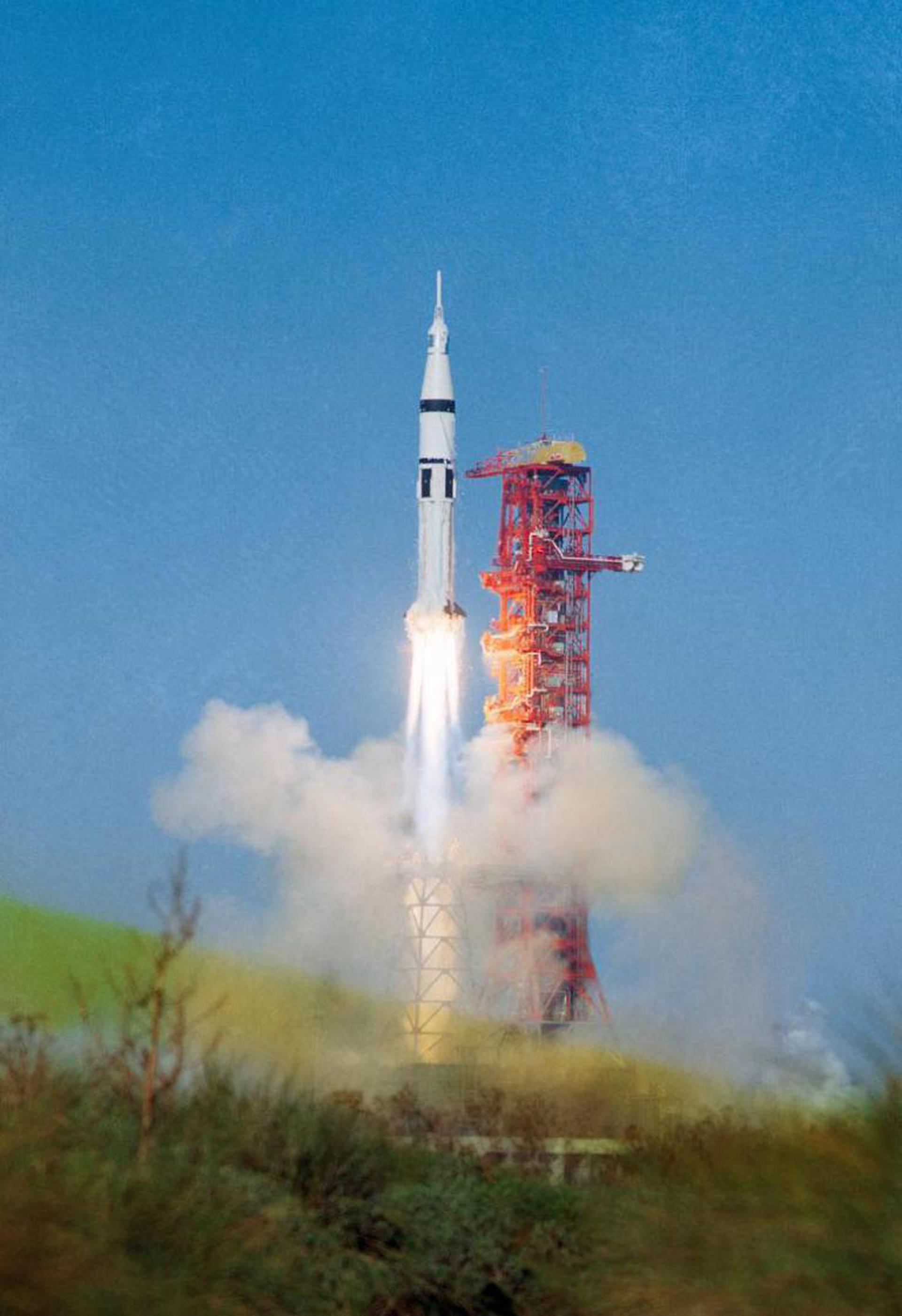
Saturn IB


Status
Success
Date
25 MAY 1973
13:00
Launch Provider

National Aeronautics and Space Administration
Launch Pad
Launch Complex 39B
Kennedy Space Center, FL, USA
Mission Overview
Skylab 2 (also known as SL-2 or SLM-1) was the first crewed mission to the first US orbital space station Skylab. The mission began on May 25, 1973, 13:00:00 UTC with the launch of a three-person crew. Crew members were the Commander Charles "Pete" Conrad, Jr., Science Pilot Joseph P. Kerwin and Pilot Paul J. Weitz. During their 26-day stay on the station, crew performed station repairs and conducted scientific, medical experiments, gathered solar and Earth science data. The mission ended successfully with the splashdown in the Pacific Ocean on June 22, 1973, 13:49:48 UTC.
Rocket
Saturn IB
Mission Type
Human Exploration
Orbit
Low Earth Orbit
Stages
2
Livestream
Rocket Details
The Saturn IB (pronounced "one B", also known as the Uprated Saturn I) was an American launch vehicle commissioned by the National Aeronautics and Space Administration (NASA) for the Apollo program. It replaced the S-IV second stage of the Saturn I with the much more powerful S-IVB, able to launch a partially fueled Apollo Command/Service Module (CSM) or a fully fueled Lunar Module (LM) into low Earth orbit for early flight tests before the larger Saturn V needed for lunar flight was ready.
Height
43.2 m
Diameter
6.61 m
Launch Mass
590 T
Thrust
7,100 kN