

ISRO PSLV XL EOS-09 (RISAT-1B)
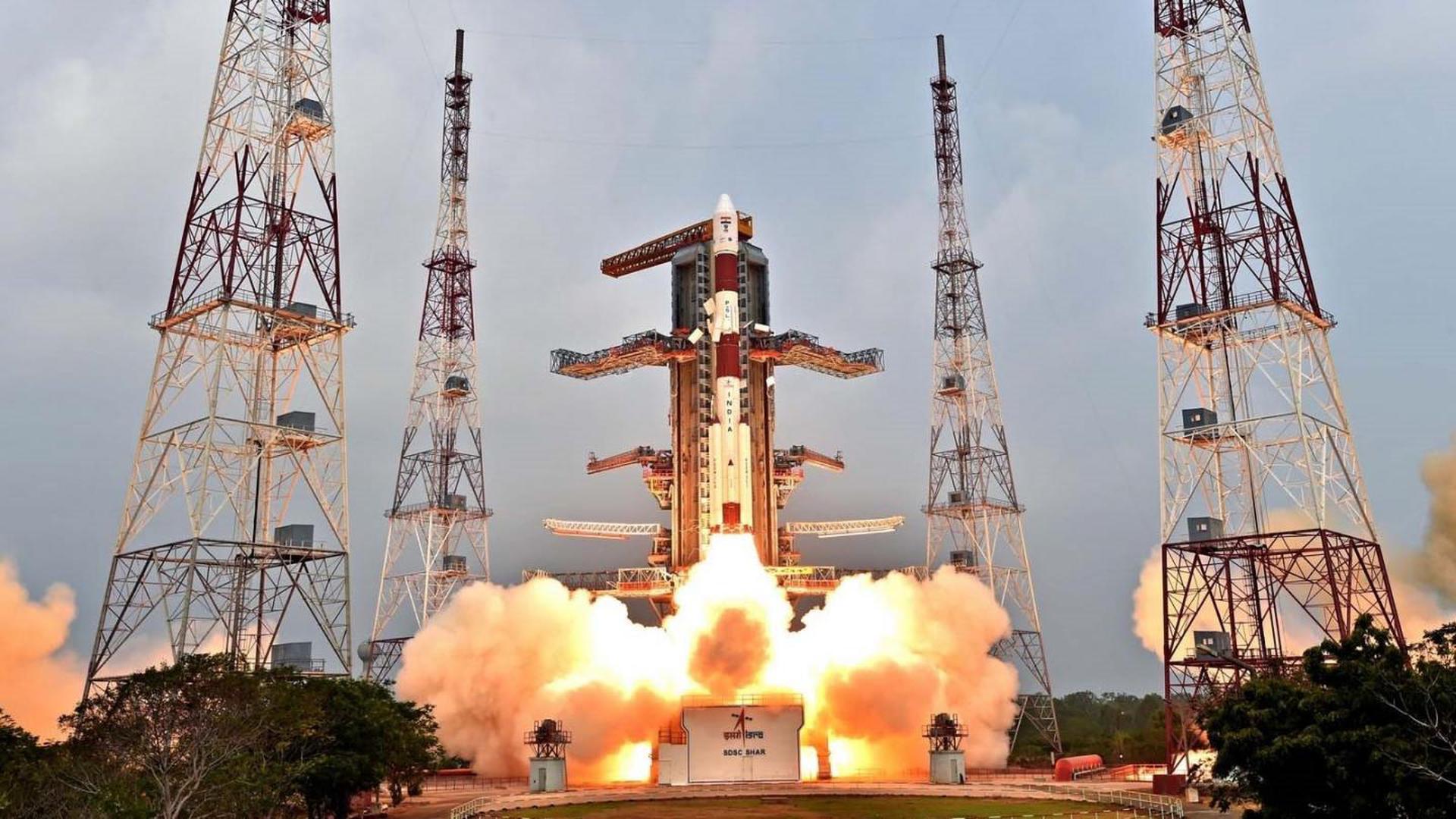
PSLV XL


Status
Failure
Date
18 MAY 2025
00:29
Launch Provider

Indian Space Research Organization
Launch Pad
Satish Dhawan Space Centre First Launch Pad
Satish Dhawan Space Centre, India
Mission Overview
RISAT-1B is the third in the series of radar imaging RISAT-1 satellites of ISRO using an active C-band SAR (Synthetic Aperture Radar), providing all-weather as well as the day-and-night SAR observation capability in applications such as agriculture, forestry, soil moisture, geology, sea ice, coastal monitoring, object identification, and flood monitoring, in addition to military surveillance. The RISAT-1 series is developed, manufactured and integrated by ISRO. The 3-axis stabilized spacecraft bus consists of a hexagonal prism shape build around a central cylinder. Most of the spacecraft subsystems and the payload are integrated in the prism structure and the central cylinder. The solar panels and some subsystems are mounted on the cube-shaped section of the spacecraft.
Rocket
PSLV XL
Mission Type
Government/Top Secret
Orbit
Sun-Synchronous Orbit
Stages
4
Livestream
Rocket Details
PSLV-XL is the upgraded version of Polar Satellite Launch Vehicle in its standard configuration boosted by more powerful, stretched strap-on boosters with 12 tonne propellant load. Weighing 320t at lift-off, the vehicle uses larger strap-on motors (PSOM-XL or S12) to achieve higher payload capability. On 29 December 2005, ISRO successfully tested the improved version of strap-on booster for the PSLV. The first use of PSLV-XL was the launch of Chandrayaan-1 by PSLV C11. The payload capability for this variant is 1,800 kg to SSO.
Height
44 m
Diameter
2.8 m
Launch Mass
320 T