

OSC Pegasus XL Interface Region Imaging Spectrograph (IRIS)
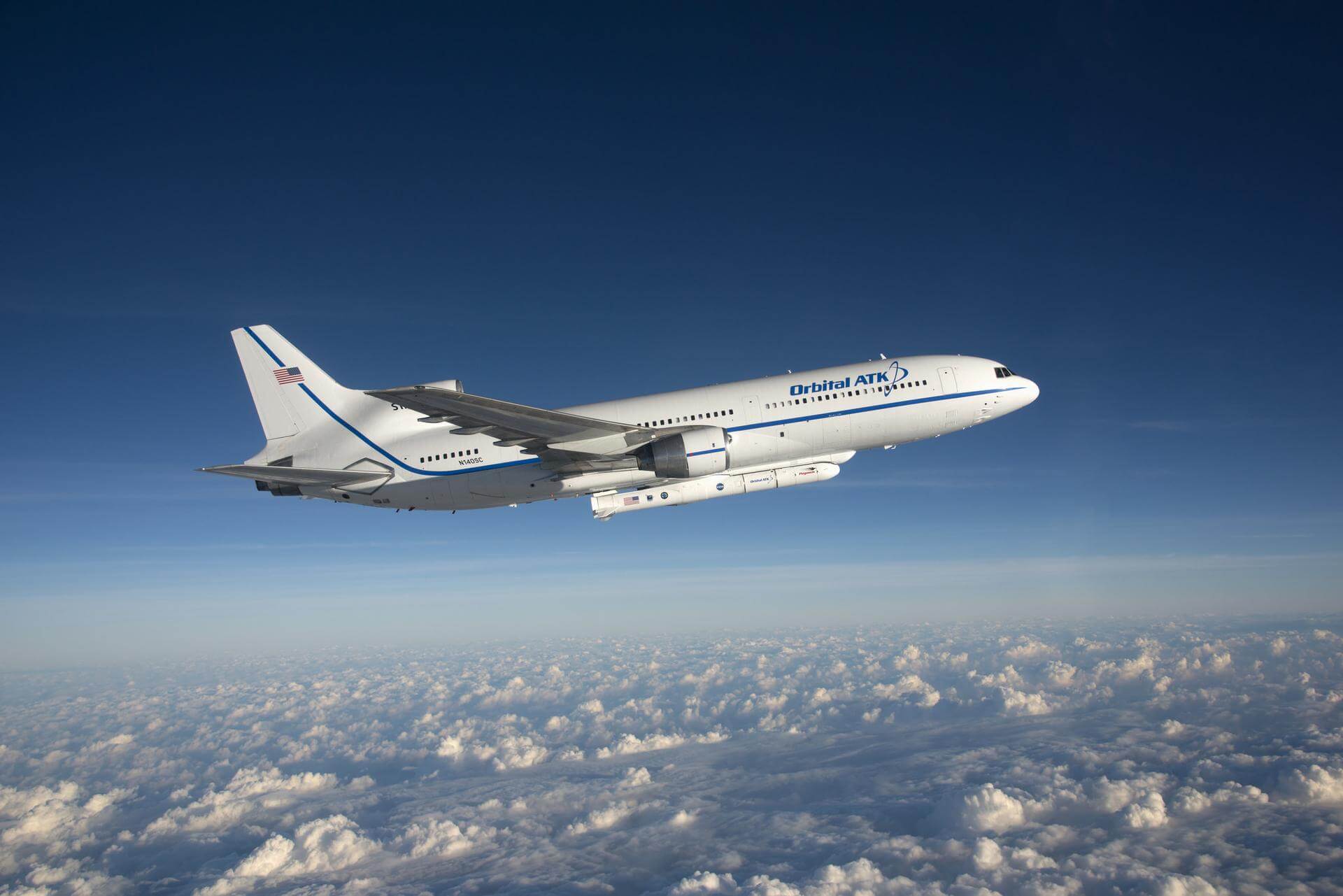
Pegasus XL


Status
Success
Date
28 JUN 2013
02:27
Launch Provider

Orbital Sciences Corporation
Launch Pad
Vandenberg Space Force Base
Air launch to orbit
Mission Overview
The Interface Region Imaging Spectrograph (IRIS) is a NASA Small Explorer Mission to observe how solar material moves, gathers energy, and heats up as it travels through a little-understood region in the sun's lower atmosphere.
Rocket
Pegasus XL
Mission Type
Heliophysics
Orbit
Sun-Synchronous Orbit
Stages
3
Livestream
Rocket Details
The Pegasus is an air-launched rocket developed by Orbital Sciences Corporation (now part of Northrop Grumman Innovation Systems). Capable of carrying small payloads of up to 443 kilograms (977 lb) into low Earth orbit, the vehicle consists of three solid propellant stages and an optional monopropellant fourth stage. Pegasus is released from its carrier aircraft at approximately 40,000 ft (12,000 m), and its first stage has a wing and a tail to provide lift and attitude control while in the atmosphere.
Height
17.6 m
Diameter
1.27 m
Launch Mass
23 T
Thrust
580 kN
