

MHI H-IIA 202 GCOM-C1 & SLATS
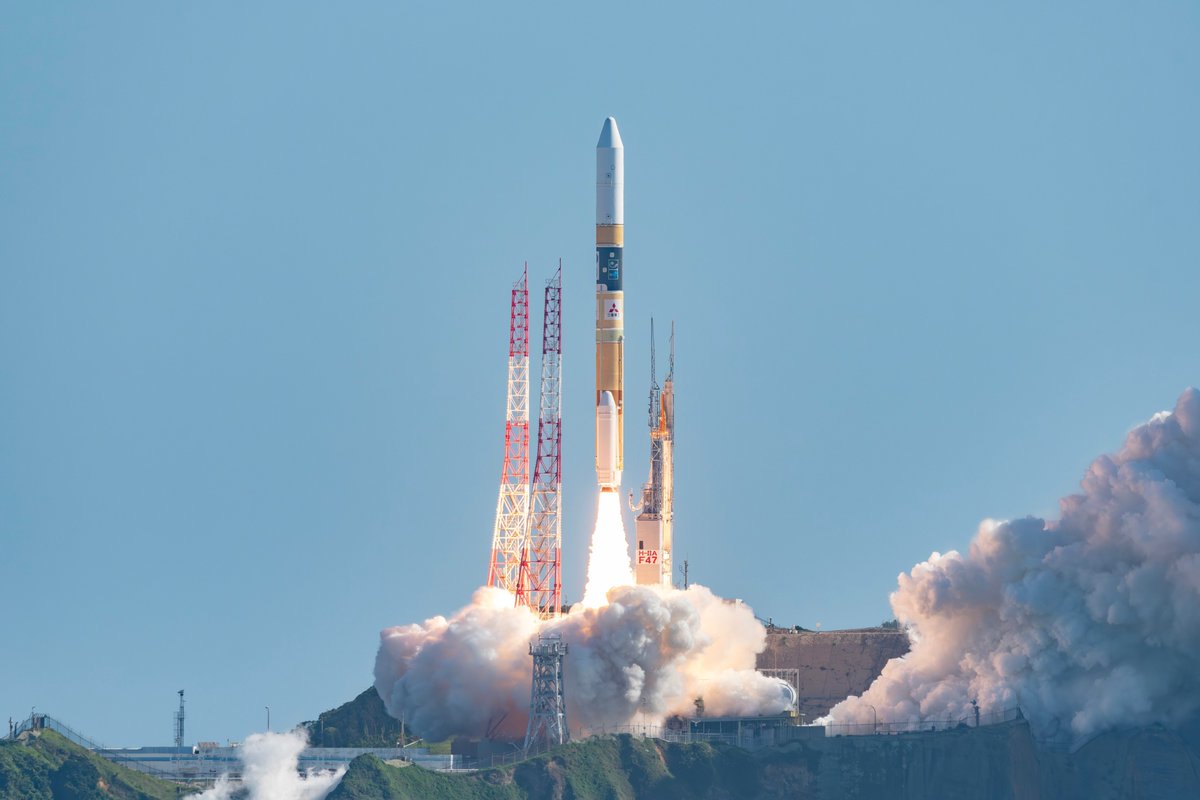
H-IIA 202


Status
Success
Date
23 DEC 2017
01:26
Launch Provider

Mitsubishi Heavy Industries
Launch Pad
Yoshinobu Launch Complex LP-1
Tanegashima Space Center, Japan
Mission Overview
GCOM-C1 is another satellite in JAXA's Earth observation Global Change Observation Mission (GCOM) constellation. This spacecraft is the first satellite in GCOM-C series and is intended to operate in sun-synchronous orbit for 5 years. It aims to collect surface and atmospheric measurements in order to monitor global climate change. Along with it is launched an engineering test satellite SLATS (Super Low Altitude Test Satellite), which is an attempt to develop techniques to operate a satellite in extremely low orbits. SLATS will try achieve that by maintaining position in orbit via ion engines. It will also collect data on atmosphere density and measure atomic oxygen in such low altitudes.
Rocket
H-IIA 202
Mission Type
Earth Science
Orbit
Sun-Synchronous Orbit
Stages
2
Livestream
Rocket Details
H-IIA (H2A) is an active expendable launch system operated by Mitsubishi Heavy Industries (MHI) for the Japan Aerospace Exploration Agency. The liquid-fueled H-IIA rockets have been used to launch satellites into geostationary orbit, to launch a lunar orbiting spacecraft, and to launch Akatsuki, which studied the planet Venus. Launches occur at the Tanegashima Space Center.
Height
53 m
Diameter
4 m
Launch Mass
285 T
Thrust
2,260 kN