

USAF Delta II 7320-10C NOAA 18
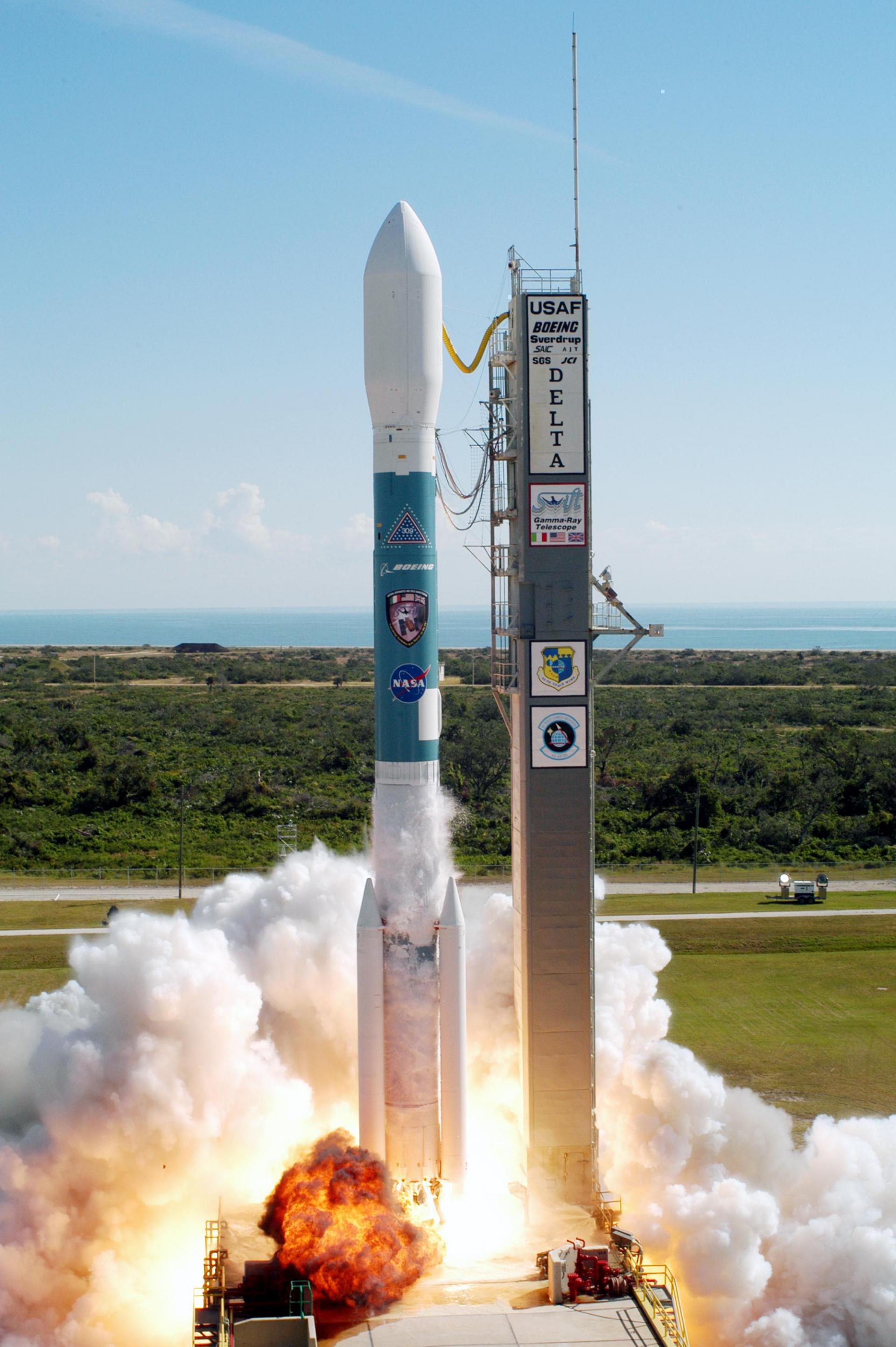
Delta II 7320-10C


Status
Success
Date
20 MAY 2005
10:22

Mission Overview
NOAA-18, known before launch as NOAA-N, is a weather forecasting satellite run by NOAA. NOAA-N (18) was launched on May 20, 2005, into a sun-synchronous orbit at an altitude of 854 km above the Earth, with an orbital period of 102 minutes. It hosts the AMSU-A, MHS, AVHRR, Space Environment Monitor SEM/2 instrument and High Resolution Infrared Radiation Sounder (HIRS) instruments, as well as the SBUV/2 ozone-monitoring instrument. It is the first NOAA POES satellite to use MHS in place of AMSU-B. NOAA-18 also hosts Cospas-Sarsat payloads.
Rocket
Delta II 7320-10C
Mission Type
Earth Science
Orbit
Sun-Synchronous Orbit
Stages
2
Livestream
Not availableRocket Details
Delta II is an American space launch system developed by McDonnell Douglas, now part of the Delta rocket family operated by United Launch Alliance. With more than 150 missions and a nearly perfect track record, Delta II has established itself as one of the most successful orbital launch systems.
Height
38.9 m
Diameter
2.44 m
Launch Mass
168 T